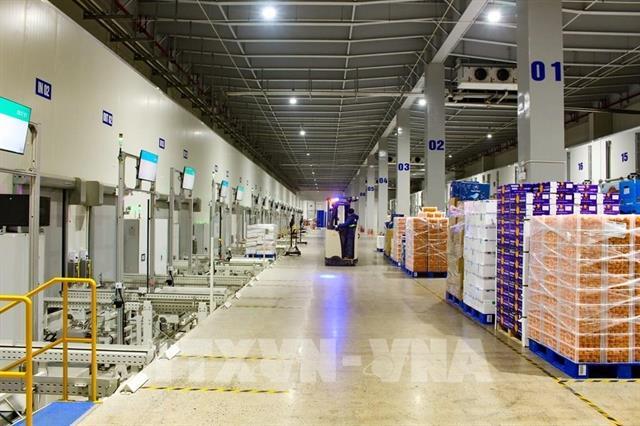
Việt Nam’s cold storage system is unevenly distributed, with facilities densely concentrated in some areas while remaining scarce in key raw material regions.
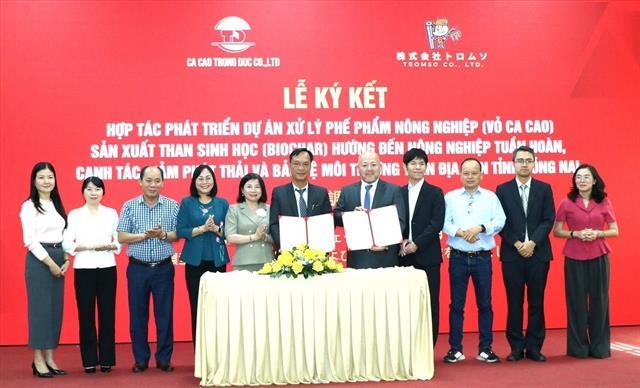
Đồng Nai Department of Agriculture and Environment has signed a cooperation agreement with Japan’s Tromso Joint Stock Company and local cacao manufacturer Trọng Đức Cacao Company Limited to develop a project turning cocoa husks into biochar to promote circular farming.
As Việt Nam targets over 10 per cent GDP growth and enters a new development phase following the 14th National Congress of the Communist Party of Vietnam (CPV), the US–ASEAN Business Council (USABC), pledges long-term support for investment, trade, and...
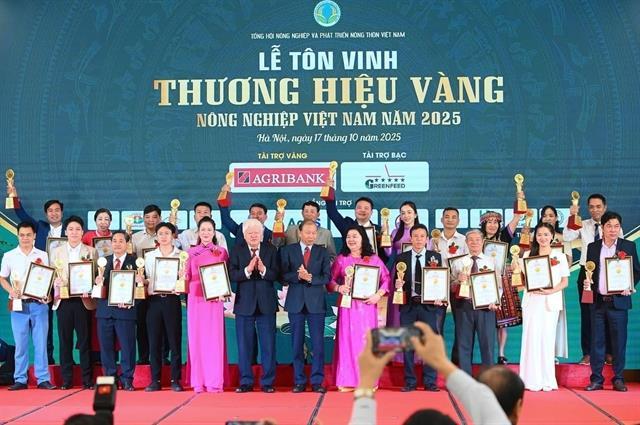
The General Council of Agriculture and Rural Development Vietnam held the 11th annual ceremony to honour the “Vietnam Golden Agricultural Brands 2025” in Hà Nội on Friday.
The Department of Industry and Trade of Tuyên Quang Province held a conference on October 16 to promote trade, foster business connections, and support the consumption of local products in 2025.
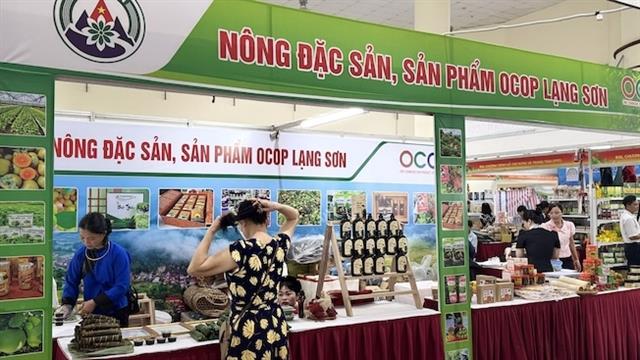
The displays feature rice, coffee, cashew nuts, pepper, confectionery, fresh fruits, processed fruit products and other organic foods. Products with international certification for food safety and hygiene, especially organic goods, have made a strong impression on visitors.
It is time for farmers, cooperatives and enterprises to embrace official export pathways to ensure sustainable growth and improved market access as recent challenges such as congestion at border gates and concerns regarding price and quality underscore the urgency for change.
The campaign will feature two main livestream sessions: a “Daily Livestream” from 11:00 a.m. to 12:00 p.m. at the Thăng Long Imperial Citadel, and a “Mega Livestream” beginning at 12:00 p.m. from Jin Pro Network’s headquarters in Hà Nội.
Hundreds of tonnes of dragon fruit are stuck in warehouses, as farmers and businesses face the risk of huge potential financial losses if the issue is not resolved promptly.
Certification rates for quality products are still low, and weaknesses in value chain linkages, post-harvest processing and preservation are hindering the region’s competitiveness in wider markets.